

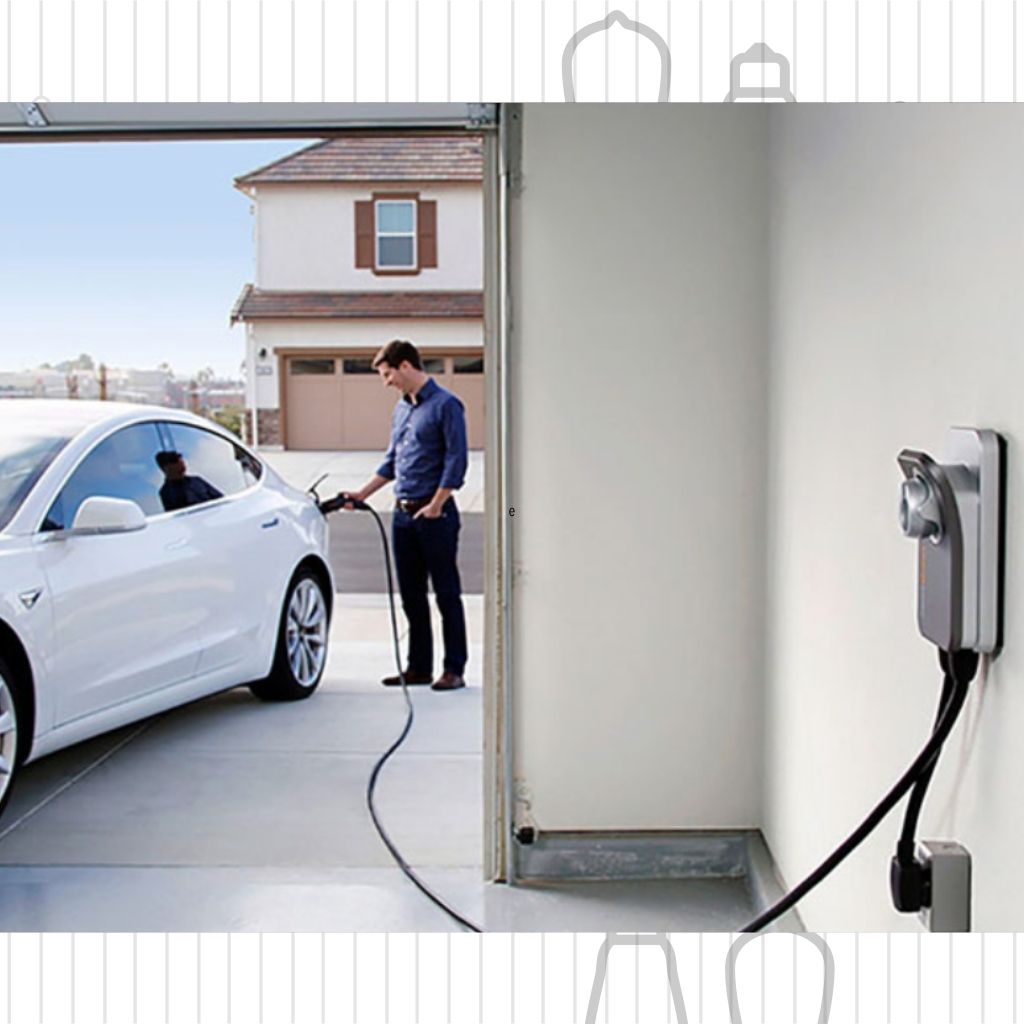
Over the past few years, the conversations we have had with commercial property owners in Winnipeg have shifted noticeably. EV charging used to be a nice-to-have discussion. Now it is a genuine tenant expectation, a fleet infrastructure requirement, and in many cases a factor in property valuation.
If you manage a commercial building and have not yet added charging infrastructure, or if you are planning to and want to understand the process, having EV charger installation explained properly is the right starting point.
The Two Main Charger Types for Commercial Use
Commercial properties primarily use Level 2 chargers, which operate at 240 volts and can typically restore an EV battery in four to ten hours. This makes them well-suited for workplace parking, multi-family residential buildings, and commercial lots where vehicles are parked for extended periods.
Level 3 DC fast chargers are also available for commercial applications where rapid charging is the priority, such as retail destinations or fleet depots. These operate at much higher power levels and require more significant electrical infrastructure. The right choice depends on your specific use case, available electrical capacity, and the volume of vehicles you expect to serve.
What the Installation Process Actually Involves
Having EV charger installation explained means walking through the steps a licensed electrician follows from assessment to commissioning.
The process begins with an evaluation of your building’s existing electrical system. The electrician assesses your panel capacity, identifies whether upgrades are needed to support the additional load, and determines the most practical routing for new circuits. For properties where panel capacity is a constraint, load management equipment can sometimes eliminate or reduce the need for a full panel upgrade.
Once the assessment is complete, the installer specifies the appropriate charger units, circuit sizes, and breaker ratings and designs the wiring run from the panel to the charging locations. All work is completed to Manitoba’s electrical code and must be inspected and permitted before the system goes into service.
How Many Chargers Do You Actually Need?
This is a question we hear often, and the answer depends on the number of parking spaces, the expected daily turnover, whether you are serving a fleet or casual users, and your budget for infrastructure. Starting with a smaller number of chargers while designing the rough-in to accommodate future expansion is a practical approach that avoids paying twice for the same work.
Start With the Right Team
Now that you have EV charger installation explained at a practical level, the next step is connecting with a licensed commercial electrician who can assess your specific property and design a system that works for your needs and budget.
Edison Electric provides EV charger installation and delivery for commercial and industrial properties across Winnipeg. With over 25 years of licensed electrical experience, the team handles everything from the initial load assessment through to a fully operational charging setup. Contact us today to book your consultation.

