
Blogs
Commercial Electrical Safety Regulations Explained – What Every Property Owner Should Understand

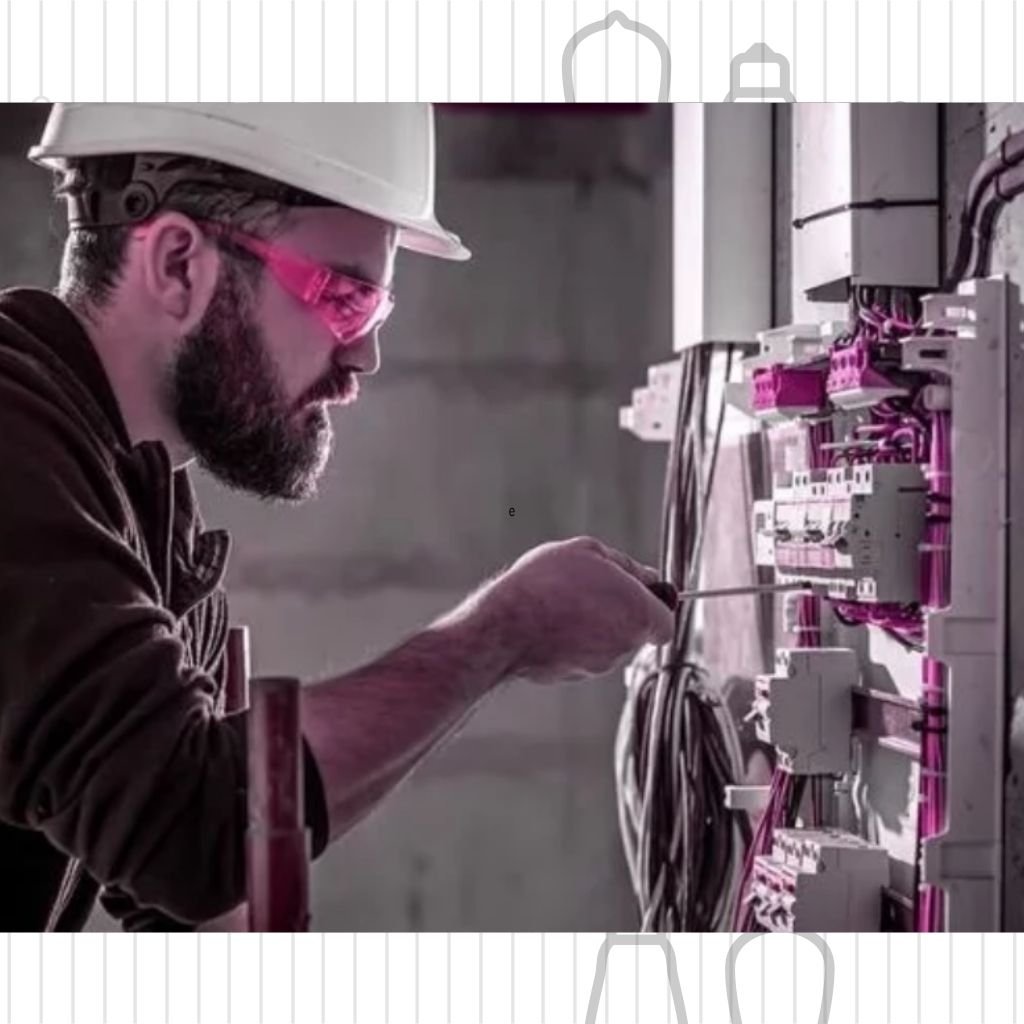
When we talk with commercial property managers about their electrical systems, one thing comes up consistently: most people know they are supposed to follow safety regulations, but far fewer understand what those regulations actually require and why they exist. That gap between awareness and understanding creates real risk.
Having commercial electrical safety regulations explained in plain terms is valuable for anyone responsible for a building. Compliance is not just about avoiding fines. It is about protecting the people who work and live in your space and ensuring that your electrical systems perform reliably over time.
The National Electrical Code and Why It Matters in Manitoba
The National Electrical Code, published by the National Fire Protection Association, provides the foundational guidelines governing electrical installation, maintenance, and inspection across North America. In Canada, the Canadian Electrical Code serves a parallel function and forms the basis for provincial requirements in Manitoba.
These codes specify safe wiring methods, circuit protection requirements, grounding practices, and equipment installation standards. They are not suggestions. They represent the minimum standard that every licensed electrical installation must meet, and they exist because the consequences of non-compliance include electrical fires, electrocution, and equipment damage.
What OSHA-Equivalent Regulations Require in Commercial Settings
For commercial and industrial workplaces, having commercial electrical safety regulations explained must include workplace safety obligations. In Manitoba, WorkSafe Manitoba enforces regulations that require employers to maintain electrical systems in a safe condition, ensure that electrical work is performed only by licensed personnel, and implement lockout and tag-out procedures during maintenance.
These requirements also include employee training, hazard communication through clear labelling and signage, and documented emergency response procedures. Non-compliance can result in enforcement action, penalties, and, in serious cases, personal liability for facility managers and building owners.
Regular Inspections Are Part of the Standard
Compliance is not a one-time event. Commercial electrical systems must be periodically inspected by qualified personnel to verify that they remain in a safe condition. Connections loosen over time. Insulation degrades. Breakers wear. Thermal imaging can identify hotspots in panels and wiring before they become failures. These inspections, when properly documented, also support insurance coverage and demonstrate due diligence if an incident ever occurs.
Accurate maintenance records are not just a best practice. They are a requirement. Documentation of inspections, maintenance activities, and any corrective work performed forms the evidence base that protects a property owner when compliance is questioned.
Working With Licensed Electricians Keeps You on the Right Side of the Law
The simplest way to ensure that your property meets current standards is to work with a licensed electrical contractor who understands Manitoba’s requirements. With commercial electrical safety regulations explained and enforced through code, inspection, and workplace safety law, the liability for non-compliance rests squarely with the property owner or facility manager.
Edison Electric has over 25 years of experience delivering code-compliant commercial electrical work in Winnipeg. If you want commercial electrical safety regulations in the context of your specific building and operations, contact the team today to book a consultation.