
Blogs
Your Commercial Electrical Maintenance Schedule Guide – What to Do and When

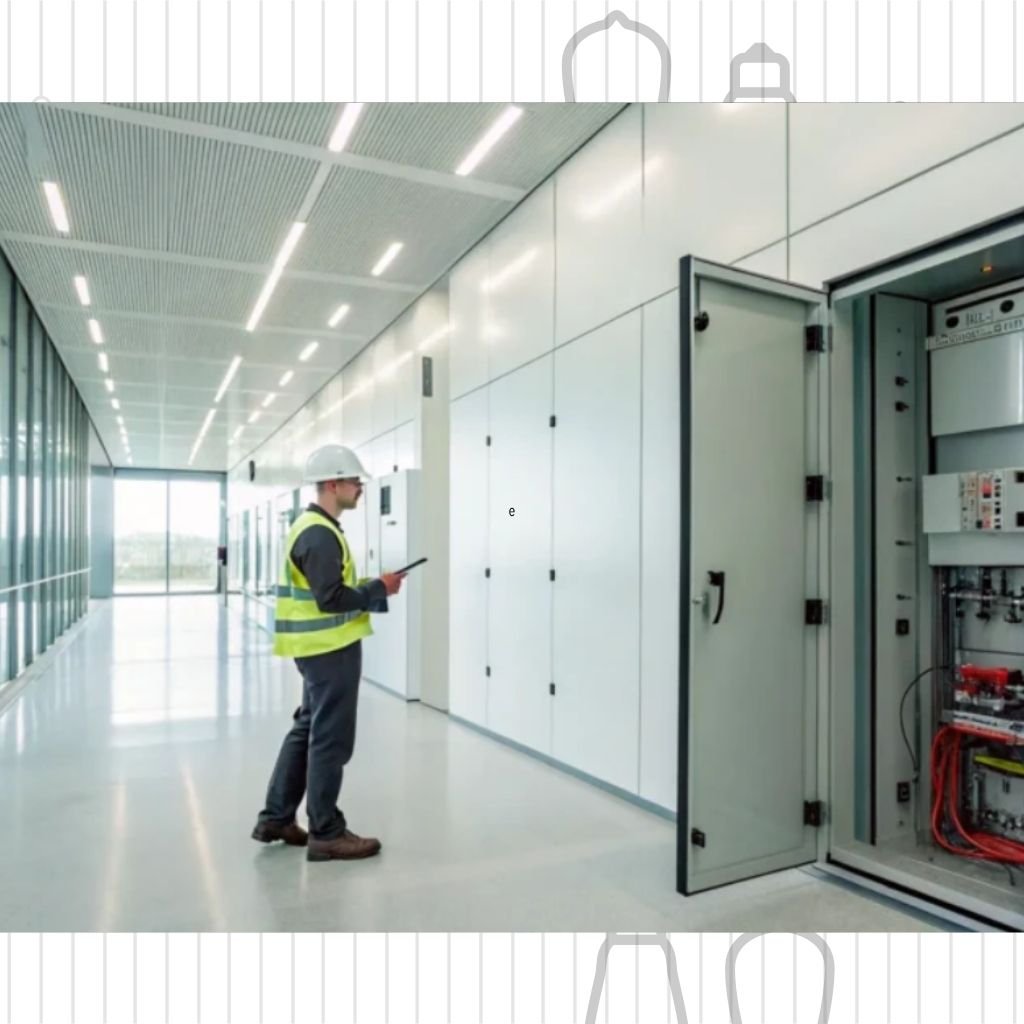
In our experience working with commercial and industrial facilities in Winnipeg, one of the most consistent patterns we see is this: buildings that have no structured maintenance schedule spend far more on electrical work than those that do. Emergency repairs cost more than planned ones. Unplanned downtime costs more than the maintenance that prevents it.
A solid commercial electrical maintenance schedule guide does not need to be complicated. It needs to be consistent, properly documented, and built around the specific risks and demands of your building.
Monthly: Visual Checks You Should Not Skip
Every month, someone with appropriate access should visually inspect your electrical panels and distribution equipment. Look for scorch marks, unusual odours, warm surfaces, or breakers that have tripped without a known cause. None of these things should be dismissed. They are early indicators of problems that will cost significantly more to address after a failure than they would right now.
Emergency lighting systems should also be functionally tested monthly. A brief simulated power interruption confirms that backup lighting activates correctly. This is a basic life-safety requirement, not an optional extra.
Quarterly and Annual Tasks That Protect Your System
As part of a practical commercial electrical maintenance schedule guide, certain tasks belong on a quarterly or annual cycle.
Quarterly tasks include inspecting connections in panels and distribution boards for looseness caused by thermal cycling, checking motor-driven equipment for signs of electrical stress, and reviewing any smart control systems for faults or performance anomalies.
Annual tasks should include a full electrical installation condition inspection by a licensed electrician, thermal imaging of panels and major circuits to identify hotspots before they become failures, and a review of whether the building’s electrical load has changed enough to require panel reassessment. LED lighting systems should also be reviewed annually for fixture performance and control system calibration.
Every Five Years: Formal Condition Assessment
Commercial electrical systems should undergo a comprehensive formal inspection and condition assessment at least every five years. This involves a licensed electrician conducting detailed testing of wiring insulation, protective devices, grounding, and the overall integrity of the distribution system. Any deficiencies identified are classified by urgency and addressed accordingly.
For older buildings or those that have undergone changes in use or load, this cycle may need to be shortened. A building that has added significant new equipment or EV charging infrastructure since the last assessment should not wait for the five-year mark.
Keep Records of Everything
A commercial electrical maintenance schedule guide is only as useful as the documentation that supports it. Keep records of every inspection, every repair, and every upgrade. These records protect you in insurance claims, demonstrate compliance during audits, and give any licensed electrician who works on your system the context they need to do the job right.
Edison Electric provides preventative maintenance services for commercial and industrial properties across Winnipeg. Contact the team today to build a commercial electrical maintenance guide that fits your building and keeps your systems running safely year-round.