
Blogs
Level 1 vs Level 2 vs DC Fast Charging: Which EV Charger is Right for Your Winnipeg Home or Business?

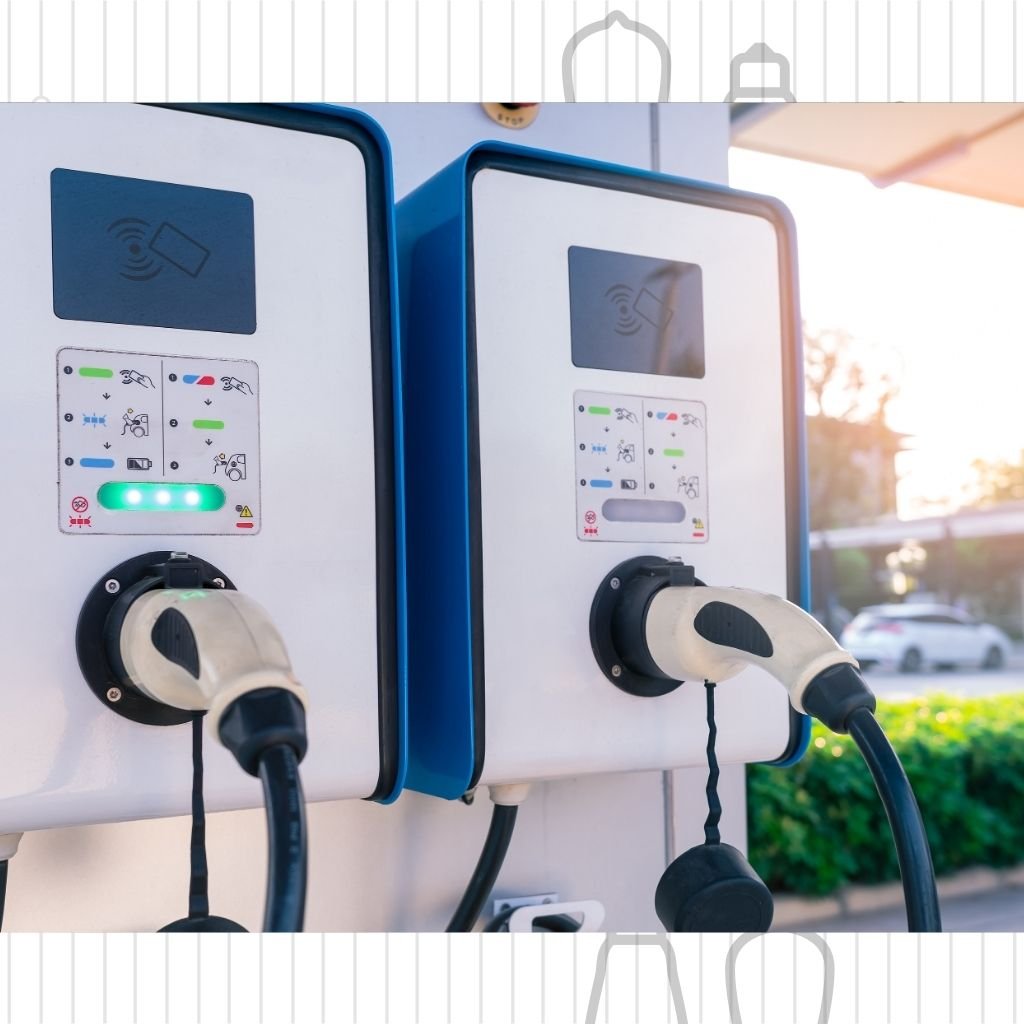
Electric vehicles are no longer a futuristic concept. They’re here, and they’re becoming increasingly common across Winnipeg. As more drivers make the switch, the demand for reliable and efficient charging solutions has grown as well. One of the first questions new EV owners ask is about the differences between Level 1, Level 2, and DC fast charging, and which option best suits their needs.
The truth is, no two chargers are the same. Each level of charging comes with unique benefits and limitations. Some are designed for slow overnight top-ups at home, while others can power up a vehicle in under an hour, ideal for businesses and high-traffic locations. Choosing the right type of charger can make the difference between frustration and convenience.
At Edison Electric Services, we’ve helped homeowners and businesses across Winnipeg navigate these choices and install the right systems for their properties. Let’s break down how each charging level works, so you can make the decision that fits your lifestyle, budget, and long-term plans.
Level 1 Charging
Level 1 charging uses a standard 120-volt household outlet, making it the easiest way to get started with EV ownership. Since no special installation is required, it’s a convenient option for people who don’t drive long distances every day.
The main drawback is speed. Charging a fully depleted battery can take more than 20 hours with a Level 1 charger, which makes it impractical for most daily commuters. It’s best suited for light users or as a backup option when faster charging isn’t available.
Level 2 Charging
Level 2 chargers operate on a 240-volt circuit, the same type used for large appliances like dryers. This option is much faster than Level 1, typically charging most EVs in 6 to 10 hours. For homeowners, this means plugging in a night before and waking up to a fully charged vehicle every morning.
Businesses also benefit from Level 2 chargers, as they strike a balance between speed and cost. Offices, retail spaces, and multi-unit residences often choose this level because it offers reliable performance without the major infrastructure demands of a DC fast charger. At Edison Electric Services, we find Level 2 to be the most popular choice for Winnipeg homeowners and businesses alike.
DC Fast Charging
For those who need speed above all else, DC fast chargers are the gold standard. Unlike Level 1 and 2, which rely on alternating current (AC), DC fast chargers deliver direct current (DC) straight to the vehicle’s battery. This allows most EVs to charge up to 80% in as little as 20 to 60 minutes.
The trade-off is cost and complexity. Installing a DC fast charger requires significant electrical infrastructure and investment, making it impractical for most homes. Instead, these chargers are usually installed at public stations, commercial hubs, or industrial facilities where high usage justifies the expense.
Choosing the Right Option
The best charger depends on your specific needs. For Winnipeg homeowners, Level 2 strikes the right balance between affordability and efficiency. Light-use drivers might manage with Level 1, though it isn’t ideal for daily commuting. Businesses that want to attract EV-driving customers or keep fleets moving quickly should consider DC fast charging, though Level 2 often works well for most commercial settings.
Conclusion
Understanding the differences between Level 1, Level 2, and DC fast charging is key to making the right investment in your EV future. Each option has a role to play, but the right choice comes down to how often you drive, how quickly you need to recharge, and whether the charger will be installed at home or in a commercial space.
Edison Electric Services provides professional EV charger installation across Winnipeg, helping homeowners and businesses choose and install the system that makes the most sense for their needs. Whether you’re powering up overnight in your garage or adding charging stations to your commercial property, our team ensures the job is done safely, efficiently, and to code.