
Blogs
How Does A 100 Amp Panel Compare With A 200 Amp Panel? What Winnipeg Property Owners Need To Know

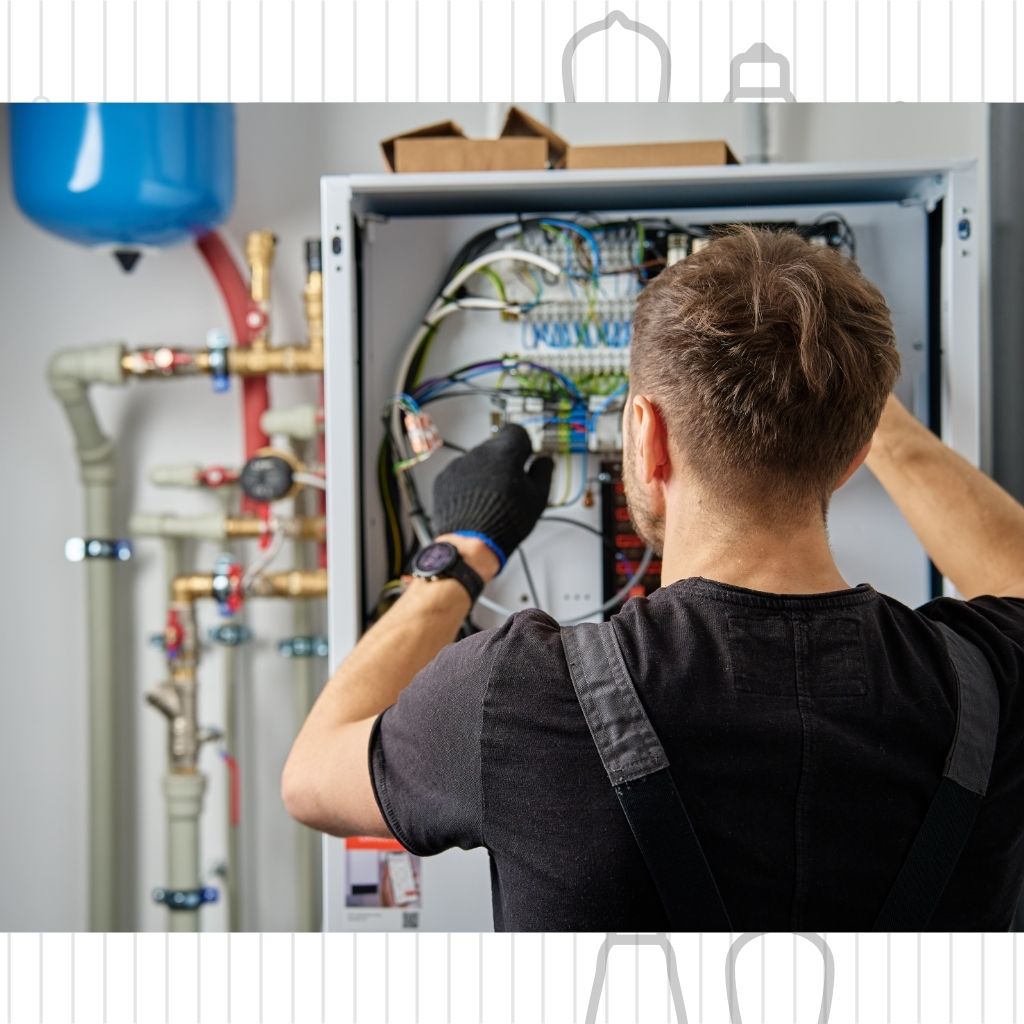
We get this question from property owners across Winnipeg a lot, and it is a genuinely important one. Understanding how a 100 amp panel compares with a 200 amp panel goes well beyond the raw amperage difference. It affects how safely your building can operate, what equipment you can run simultaneously, what insurers think of your property, and how prepared your infrastructure is for future demands.
The short version: how a 100 amp panel compares with a 200 amp panel comes down to capacity, safety margin, and suitability for modern electrical loads.
What the Amperage Rating Actually Means
Your electrical panel’s amperage rating tells you the maximum current it can safely deliver to your building’s circuits at any given time. A 100-amp panel can supply up to 100 amps of current across all of its circuits simultaneously. A 200-amp panel can supply up to 200 amps. That doubling of capacity has significant practical implications for how much equipment you can run, how much growth your electrical infrastructure can support, and how much safety margin your system operates with under normal conditions.
Why 100 Amp Panels Are Increasingly Inadequate
A 100-amp service was considered adequate for decades, and it still serves smaller properties with modest electrical demands reasonably well. But when we look at how a 100-amp panel compares with a 200-amp panel in the context of modern property use, the gap becomes clear.
Most modern commercial spaces today run significantly more electrical equipment than they did when many 100-amp panels were installed. High-efficiency HVAC systems, electric ranges, hot water tanks, offices with multiple devices, EV charging stations, and large appliances all compete for capacity on a 100-amp service. When that panel is asked to supply more current than it is rated for, it overheats, breakers trip, and the risk of electrical fire increases.
The Safety and Insurance Dimension
Panels that operate consistently at or near their capacity limit are not just a performance problem. They are a safety risk. An overloaded 100 amp panel can generate heat that degrades wiring insulation, stresses breaker components, and creates conditions that licensed electricians and fire marshals recognize as hazardous.
Beyond safety, many insurance providers in Canada scrutinize panel amperage when setting policy terms. A property with a 100 amp or lower service may face higher premiums or insurer reluctance, particularly for commercial or mixed-use buildings. This is another dimension of how a 100-amp panel compares with a panel that can handle 200 amps, and it has a real financial impact on property owners.
When Does a 200 Amp Panel Make Sense?
If you are building a new property, adding significant electrical loads, installing EV charging infrastructure, or your existing 100 amp service is struggling to handle daily demand, upgrading to a 200 amp panel is the appropriate step. A 200 amp service provides the capacity margin to operate current equipment comfortably and accommodate future additions without immediately hitting the ceiling again.
100 Amp panel compared with a 200-amp panel also matters for resale and leasing. Properties with 200 amp services are more attractive to buyers and tenants who bring modern electrical demands with them.
We Assess and Upgrade Electrical Panels Across Winnipeg
We at Edison Electric assess, upgrade, and replace electrical panels for commercial properties throughout Winnipeg. If you have questions about how a 100 amp panel compares with a 200 amp panel for your specific property, contact us today to book a consultation with our licensed team.