
Blogs
Causes of Electrical Downtime in Industrial Facilities

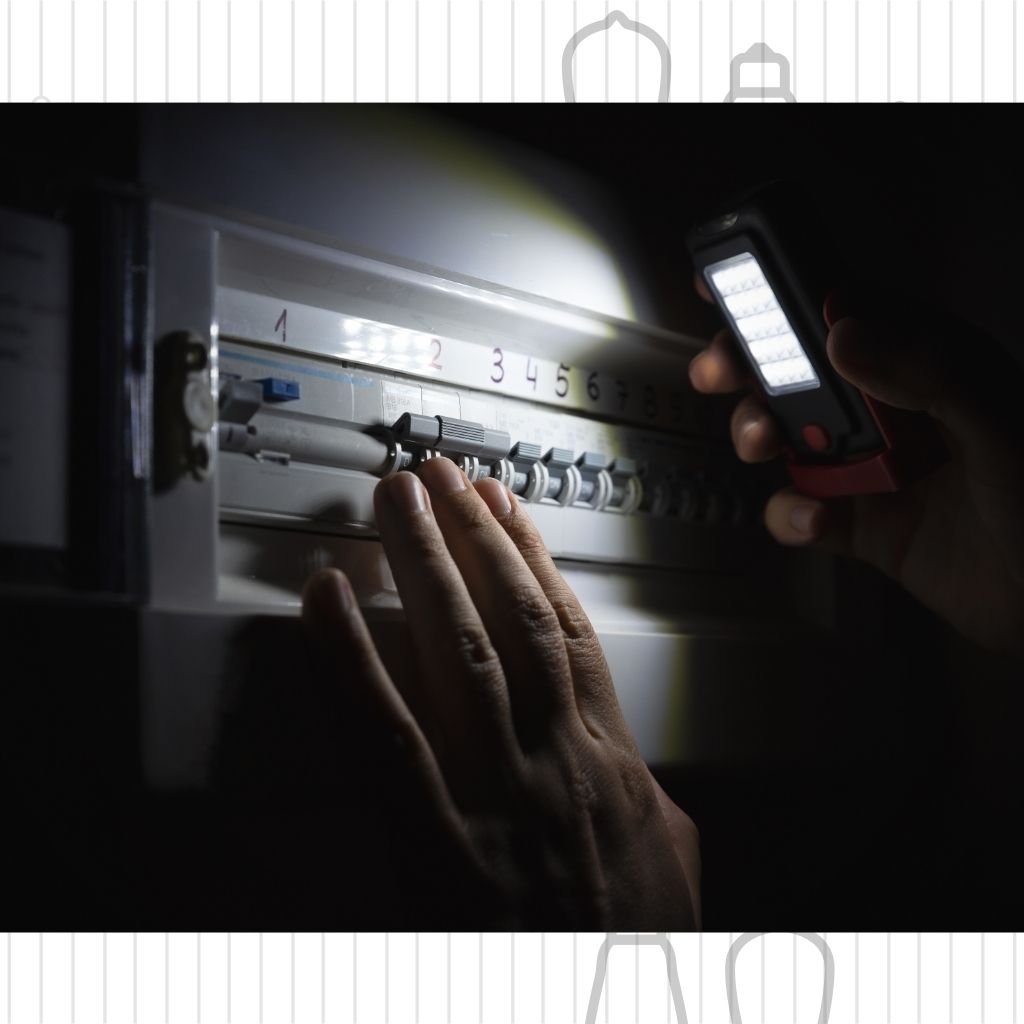
When electrical downtime hits an industrial facility, the impact is immediate. Production stops. Systems reset. Schedules fall apart. Even short outages can cost thousands in lost output and recovery time. What makes these events more frustrating is that many of them are preventable.
Understanding the causes of electrical downtime in industrial facilities gives you the ability to address weaknesses before they turn into shutdowns. Electrical systems in industrial environments operate under constant stress. Heavy loads, continuous operation, and complex equipment demand careful design and maintenance.
At Edison Electric Services, downtime prevention starts with identifying the most common electrical risks and addressing them systematically.
Overloaded and Aging Electrical Systems
One of the most common causes of electrical downtime is overloaded infrastructure. As operations expand, electrical demand increases. Equipment is added, shifts extend, and systems run longer hours.
Older panels and wiring were often not designed for modern load requirements. Over time, excess demand causes overheating, breaker trips, and system instability. These failures often occur during peak production, when downtime is most costly.
Regular system assessments help identify capacity limits before failures occur.
Poor Preventive Maintenance
Electrical systems do not fail overnight. Connections loosen. Insulation degrades. Components wear out. Without regular inspections, these issues go unnoticed until failure occurs.
Lack of maintenance remains one of the leading causes of electrical downtime. Preventive maintenance allows electricians to detect heat buildup, corrosion, and imbalance early.
Facilities that schedule routine inspections experience fewer emergencies and more predictable operating costs.
Power Quality and Voltage Issues
Industrial equipment requires stable power. Voltage fluctuations, surges, and drops place stress on motors and control systems. Over time, this leads to unexpected shutdowns and equipment damage.
Unstable power is one of the hidden causes of electrical downtime in industrial facilities. These issues often originate from inadequate grounding, insufficient surge protection, or internal load cycling.
Professional electrical design and surge protection reduce these risks significantly.
Equipment Start-Up and Shutdown Stress
Large motors and machinery draw high current during start-up. Repeated start-stop cycles place strain on electrical systems. Without proper controls and load management, this stress leads to breaker trips and overheating.
This operational stress is among the frequent causes of electrical downtime, especially in environments with automation and heavy machinery.
Proper system design balances loads and controls start-up sequences to reduce electrical stress.
Human Error and Improper Modifications
Unauthorized modifications and temporary fixes create long-term problems. Adding circuits without load analysis or bypassing safety systems introduces instability.
Human error remains one of the underestimated causes of electrical downtime. Small changes made without professional oversight often lead to system-wide consequences later.
Licensed electricians ensure modifications are properly planned and documented.
How Professional Electrical Support Reduces Downtime
Preventing downtime requires a proactive approach. Professional electricians assess system capacity, power quality, and component condition. They design solutions that align with operational demands.
At Edison Electric Services, downtime prevention includes inspections, upgrades, and long-term planning. Addressing the causes of electrical downtime early helps maintain continuous operation and protect critical equipment.
Final Note
Electrical downtime is disruptive, expensive, and often avoidable. Understanding the causes of electrical downtime in industrial facilities allows you to take control before failures occur.
If your facility depends on reliable power, proactive electrical support is essential. Contact us to assess your systems and address the causes of electrical downtime before they impact production.