
Blogs
How Commercial Electrical Systems Are Installed In Buildings – A Complete Overview

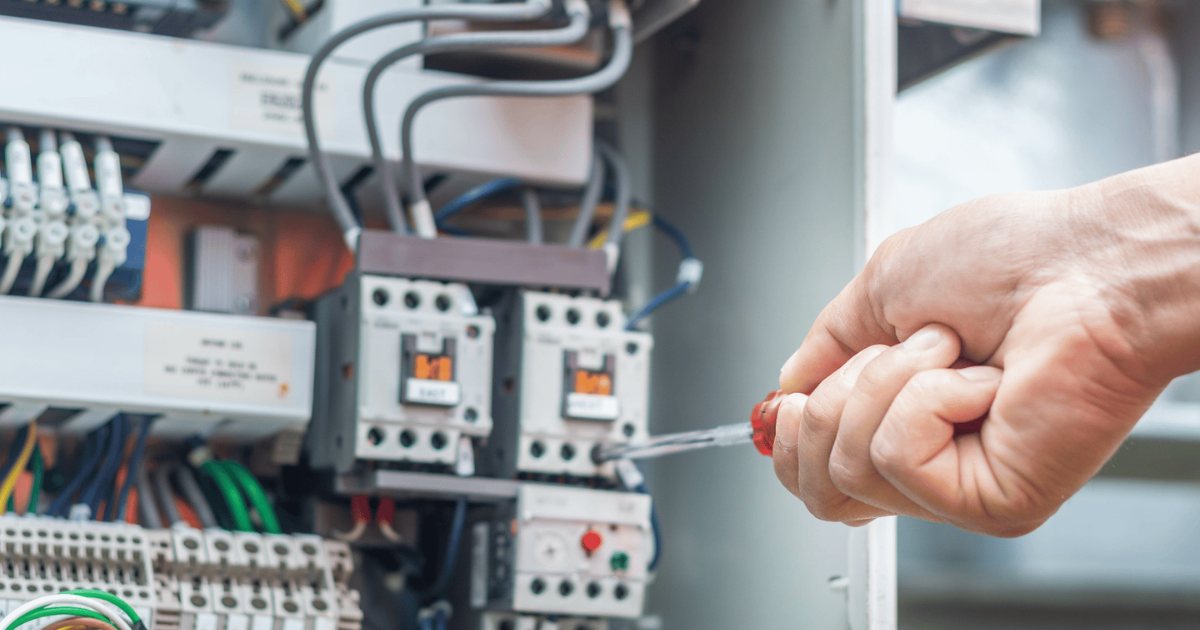
We get asked often about what it actually takes to bring a commercial building to life electrically. The answer surprises most people. Understanding how commercial electrical systems are installed in buildings starts not on the job site, but in the planning room, weeks or months before construction begins.
A commercial electrical installation is not simply a scaled-up version of residential work. The voltages are higher, the distribution systems are more complex, and the consequences of errors are more significant. Every decision made in the planning phase affects how safely and reliably the finished system performs for years to come. That is why licensed journeymen electricians with specialized commercial training are essential at every stage.
Design and Pre-Construction Planning
The process begins with electrical engineers and licensed contractors collaborating on detailed plans. Load calculations are performed to determine how much power the building will need, not just on day one but as operations evolve. Panels are sized, circuit layouts are designed, and equipment specifications are set. Getting this foundation right eliminates expensive mid-project revisions and ensures the installation meets Manitoba’s electrical code from the start.
Temporary power is also established during early site work, giving other trades the electricity they need to operate throughout construction.
Rough-In: Building the Skeleton of the System
One of the most time-sensitive phases in commercial electrical systems installation is the rough-in. This is when conduits, raceways, and electrical boxes are installed throughout walls, ceilings, and floors before they are closed in. Missing the rough-in window means cutting into finished surfaces later, which is disruptive and expensive.
In commercial settings, wiring runs through metal conduit rather than the cable systems used in homes. This protects conductors from physical damage, makes future modifications more accessible, and meets the code requirements that apply to commercial occupancies. Coordination with plumbing, HVAC, and structural trades during this phase is essential to prevent conflicts that slow the project down.
Feeder Installation and Panel Connection
Once the rough-in is complete, large feeder conductors are pulled from the service entrance to distribution panels throughout the building. These are the main arteries of the system, and they must be correctly sized to carry 125 percent of continuous loads safely, as required under the Canadian Electrical Code.
Branch circuits are then wired out from each panel to the locations where power is needed, including workstations, mechanical equipment, lighting, and specialty loads such as EV charging infrastructure. Each circuit is sized for its specific load and protected by a breaker rated to match.
Trim-Out, Testing, and Commissioning
The final stage of commercial electrical systems installation is trim-out and commissioning. Switches, receptacles, fixtures, and panels are installed and connected. The system is then tested thoroughly: insulation resistance is verified, breakers are confirmed to operate correctly, and every circuit is checked before power is turned on.
A licensed inspector from the local authority verifies code compliance before the system is approved for occupancy. Only then is the building’s power turned on.
Work With a Team That Has Done This Before
We at Edison Electric have been delivering commercial electrical installations in Winnipeg for over 25 years. If you want to understand more about how commercial electrical systems are installed in buildings or are planning a new construction or tenant improvement project, contact us today to discuss how we can help.