
Blogs
Electrical Safety Tips Every Winnipeg Homeowner Should Know (But Probably Doesn’t)

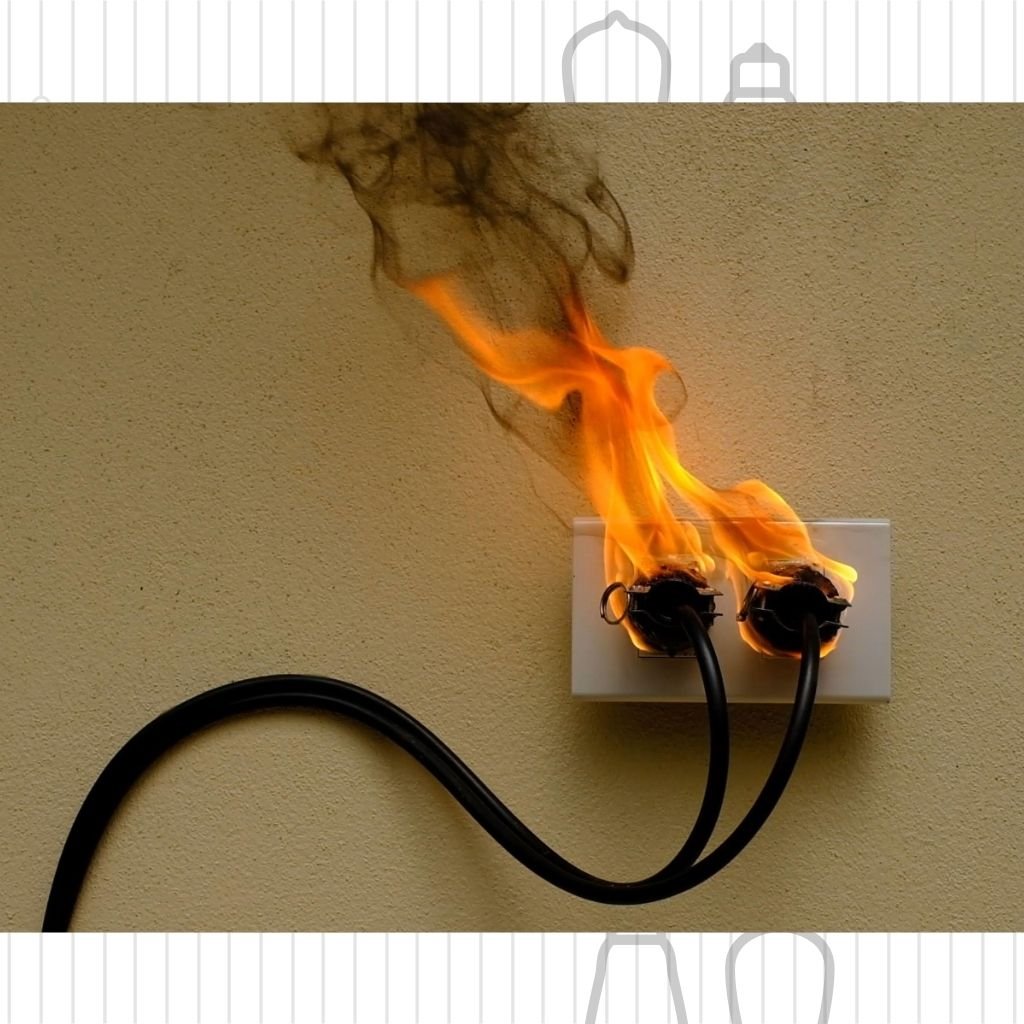
You must be thinking your home’s electrical system is doing just fine; after all, the lights turn on, the fridge is humming, and no sparks are flying. But electrical hazards don’t always announce themselves with a bang. They quietly build behind walls, in outlets, or inside overloaded panels. Canadian firefighters pointed out that of all house fire cases that happened in British Columbia, 10% were electrical fires. That’s why knowing electrical safety tips is more crucial than you might think.
You’d want to know that many electrical accidents at home are caused by issues that could’ve been easily prevented. Things like overloaded extension cords, outdated breakers, or neglected outdoor wiring can all lead to serious problems if not caught early. Whether you live in a new building or an older home, taking safety seriously is one of the smartest things you can do for your family.
As experts in dealing with electrical systems, we at Edison Electrical Services want to help you keep you, your friends, and your family safe by outlining some simple safety tips to follow. These are effective ways you can reduce risk and improve your home’s electrical health. Here are our top tips every Winnipeg homeowner should keep in mind.
1. Don’t Overload Outlets or Power Bars
Plugging a number of devices into a single outlet may seem like a space-saving idea, but we urge you not to do that. Overloaded outlets are one of the most common causes of house fires. Each outlet is only designed to handle a certain load, and daisy-chaining power bars or extension cords can quickly exceed that limit.
Instead, spread out your appliances across multiple circuits and avoid plugging high-power devices like space heaters and microwaves into the same outlet. If you’re unsure about your home’s circuit capacity, Edison Electric Services can assess your panel and recommend upgrades or safer distribution.
2. Know the Signs of Faulty Wiring
You’d want to know what to watch for because faulty wiring rarely shows itself until something goes wrong. If you notice warm outlets, flickering lights, tripping breakers, or that faint burning smell near switches, these are all red flags that something’s off behind the scenes.
These signs shouldn’t be ignored. Faulty or aging wiring can lead to electric shock, short circuits, or worse. Never take these signs lightly, especially the last one. If you’re starting to smell burnt rubber from your electrical outlets, turn off the electrical system immediately and call in a licensed electrician to conduct thorough home inspections. They can catch hidden hazards and bring your system back to safe, code-compliant standards.
3. Keep Water and Electricity Far Apart
A question might pop up: is it really that dangerous if an outlet is close to the sink or tub? Absolutely. Electricity and water are a dangerous combo, and every year, homeowners underestimate this risk. Bathrooms, kitchens, laundry rooms, and outdoor outlets should always be equipped with ground fault circuit interrupters (GFCIs), which shut off power the moment they detect imbalance.
If your home doesn’t have GFCI outlets in key locations, it’s time for an upgrade. We can install modern GFCIs that add a critical layer of protection, especially in homes with children or older adults.
4. Use the Right Extension Cords for the Job
You must be thinking any extension cord will do, but don’t make this mistake. Outdoor-rated cords are designed to withstand moisture and temperature changes, while indoor cords are more fragile. Using the wrong one can lead to melting insulation or exposed wires.
Never use extension cords as permanent wiring. If you find yourself relying on them often, it’s a sign that your home needs more outlets or dedicated circuits. Contact a licensed electrician to install what you need safely, cleanly, and to code.
5. Keep Your Electrical Panel Accessible and Updated
You’d be surprised how often we find electrical panels hidden behind furniture, drywall, or worse. Your electrical panel should always be easy to access, especially in an emergency. Just as important: make sure it’s not outdated or overloaded.
Older panels may not be designed to handle today’s modern appliances and can pose serious risks if breakers don’t trip properly. Always inspect, upgrade, and label your panel so you always know what’s running where and whether it’s running safely.
6. Schedule Regular Inspections (Yes, Even if Nothing’s “Wrong”)
A question you might be asking: do I really need an inspection if everything seems fine? Yes, you do. Electrical systems wear down over time, especially in homes over 20 years old. Inspections help catch hidden risks like degraded wiring, improperly grounded outlets, or undersized breakers.
We recommend Winnipeg homeowners schedule an inspection every 3–5 years or any time they undergo a renovation or add new appliances. It’s a small investment that pays off in safety and peace of mind.
Safety First, Always – Don’t Hesitate to Call in a Pro!
You’re probably realizing now that staying safe with electricity doesn’t mean being paranoid; it just means being prepared. These electrical safety tips aren’t about fear; they’re about empowering you to take control of your home’s well-being.
Edison Electric Services is proud to help Winnipeg homeowners keep their families safe with inspections, upgrades, and expert advice tailored to your unique needs. Whether you’re dealing with flickering lights or planning a major renovation, our team is here to make sure your power stays reliable and risk-free. Contact us to make sure your home is safe and compliant.