
Blogs
Common EV Charger Installation Mistakes And How To Avoid Them

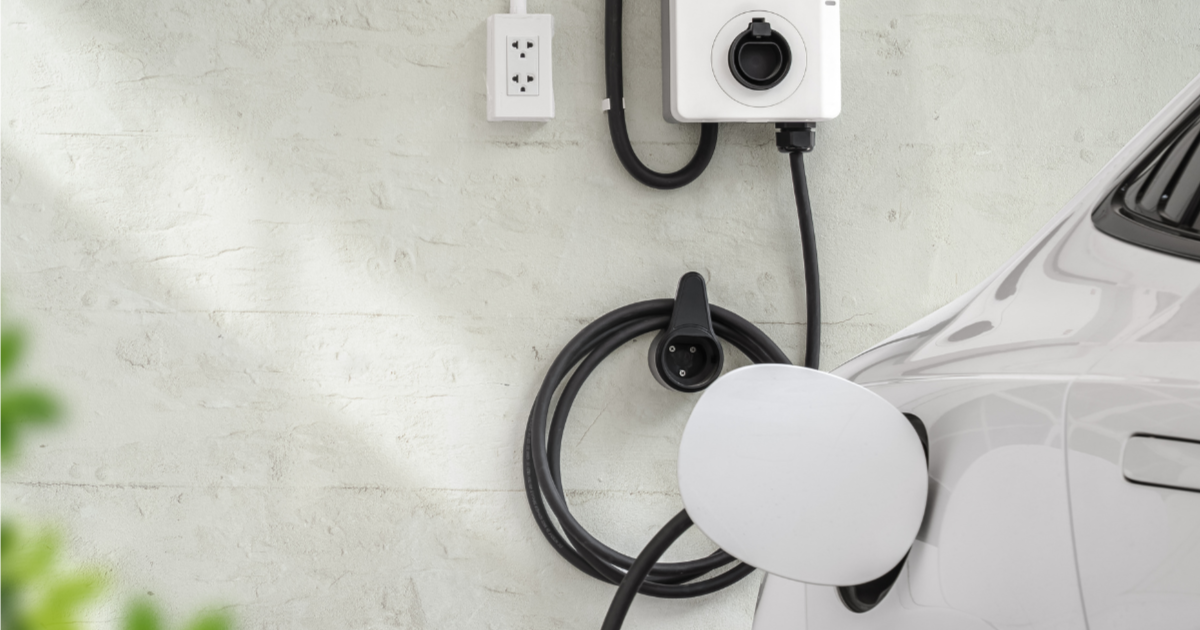
There is a version of EV charger installation that looks straightforward on the surface. The charger arrives, it gets mounted on the wall, and it gets connected to power. Done. In practice, the installations that follow that approach are the ones we are most often called to diagnose and correct, because the real complexity of EV charging is invisible until it causes a problem.
The common EV charger installation mistakes we see most frequently are not about the charger equipment itself. They are about the electrical planning, or the lack of it, that surrounds the installation.
Skipping the Load Calculation
The most costly mistake is installing an EV charger without first verifying that the building’s electrical panel has the capacity to support it. A Level 2 EV charger is a sustained, high-demand load. It can draw 40 or more amps continuously for several hours at a time. If the panel is already heavily loaded, adding a charger without a proper load assessment can push the system into overload conditions, cause nuisance tripping, and potentially fail inspection.
A proper load calculation considers the existing service size, the panel’s rated capacity, the loads already connected, and any other planned additions. This is the foundation on which every good EV charger installation is built, and skipping it is one of the most common EV charger installation mistakes we encounter.
Incorrect Circuit and Conductor Sizing
EV chargers require dedicated circuits. Sharing a circuit with other loads or tapping into existing wiring is not acceptable and not safe. Beyond the need for a dedicated circuit, the conductor size must be correctly specified for the charger’s continuous load, the length of the run, and the environmental conditions the wiring will pass through. Undersized conductors overheat under sustained charging loads, which shortens their lifespan and creates safety risk.
Poor Charger Placement
Placement decisions affect how practical the charger is to use every day, and they also affect safety. A charger mounted where the cable cannot comfortably reach the vehicle’s charge port, where the cable creates a tripping hazard, or where the unit is exposed to conditions it is not rated for will cause problems. Outdoor installations require equipment rated for weather exposure and cable management that keeps the installation safe and clean over time.
Bypassing Permits and Inspection
Skipping the permitting and inspection process is one of the common EV charger installation mistakes that creates ongoing problems long after installation day. In Manitoba, EV charger installation involves a significant electrical load and must be permitted and inspected. Unpermitted work creates liability, can void insurance coverage, and may need to be removed and redone if the property is sold or refinanced.
We Get EV Charger Installation Right the First Time
We at Edison Electric handle EV charger installations for commercial and industrial properties across Winnipeg with the electrical rigour these projects require. We avoid the common EV charger installation mistakes through proper load assessments, correct circuit design, compliant installation, and full permit and inspection management. Contact us today to book a consultation.