
Blogs
Commercial Electrical Installation Process Explained

When you are setting up a commercial space, electrical installation is one of the most important parts of the project. It affects how your business operates every day, from lighting and equipment to safety systems and overall efficiency. Yet many people only think about electrical work after construction has already begun.
Understanding the commercial electrical installation process explained helps you plan ahead and avoid delays or costly changes. Commercial electrical systems are more complex than residential setups. They must handle higher loads, support continuous operation, and meet strict safety codes.
At Edison Electric Services, commercial installations are handled with careful planning and attention to detail. Knowing how the process works helps you stay informed and confident throughout your project.
Planning and Design Stage
The first step in the commercial electrical installation process is planning. Electricians assess the building layout, expected power demand, and how the space will be used.
Load calculations are performed to determine how much electricity is required. Circuits are designed to distribute power evenly across the building. This ensures that no part of the system is overloaded.
Proper planning sets the foundation for a reliable system that supports daily operations without issues.
Permits and Code Compliance
Before installation begins, all necessary permits must be secured. Electrical work must meet local regulations and the Canadian Electrical Code.
Understanding the commercial electrical installation process includes recognizing the importance of compliance. Without proper permits and inspections, projects can face delays or legal issues.
At Edison Electric Services, compliance is managed from the beginning, ensuring that all work meets current safety standards.
Installation of Electrical Components
Once planning and approvals are complete, installation begins. This stage involves running wiring, installing panels, connecting circuits, and setting up electrical equipment.
Electricians follow the design closely to ensure every component is installed correctly. Proper connections, secure wiring, and correct breaker sizing are essential for safe operation.
The commercial electrical installation process at this stage highlights the importance of precision. Every detail affects how the system performs over time.
System Testing and Inspection
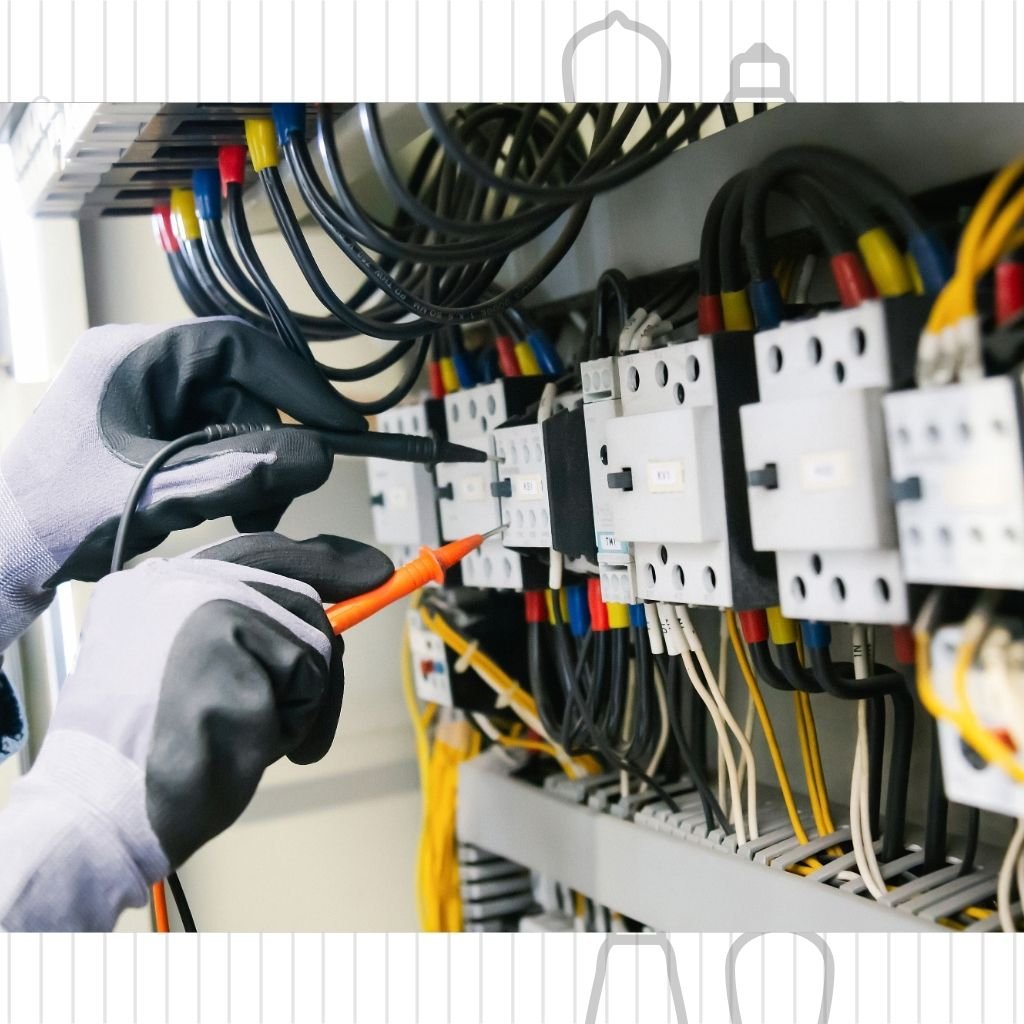
After installation, the system is tested thoroughly. Electricians check voltage levels, load balance, grounding, and overall performance.
Inspections are conducted to confirm that the system meets code requirements. Passing inspection ensures the system is safe and ready for use.
This step in the commercial electrical installation process ensures reliability before the building becomes fully operational.
Final Setup and Operational Readiness
Once testing is complete, the system is integrated into the building. Equipment is connected, systems are activated, and the space is ready for use.
Electricians may also provide guidance on how to manage the system effectively. Understanding your electrical setup helps you maintain performance and avoid issues.
The final phase of the commercial electrical installation ensures your business is ready to operate without electrical limitations.
Why Professional Installation Is Essential
Commercial electrical systems require expertise. Mistakes can lead to safety risks, downtime, and expensive repairs.
Working with experienced professionals ensures each stage is handled correctly. We bring knowledge and experience to every project, ensuring systems are designed and installed to perform reliably.
Final Note
Electrical installation is more than a construction step. It is the foundation of your business operations. With the commercial electrical installation process explained, it helps you plan effectively and avoid costly problems.
If you are preparing for a commercial project, contact us for expert support. Take the next step with confidence and ensure your project benefits from a fully commercial electrical installation and professionally executed system.