Blogs
How Regular Preventive Electrical Maintenance Saves Thousands in Downtime

When Everything Stops, Costs Add Up Fast
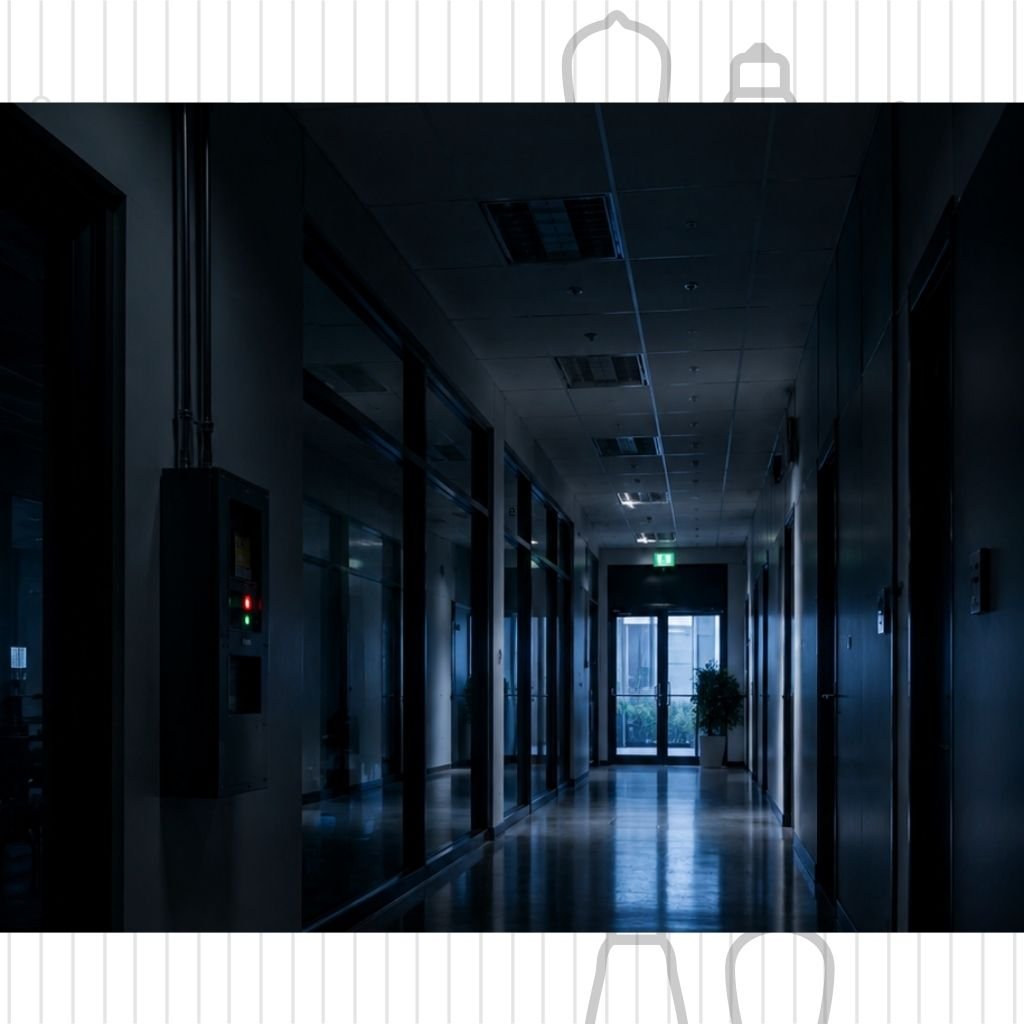
Most commercial and industrial facilities don’t think much about their electrical systems… until something fails.
A breaker trips.
A panel overheats.
Equipment suddenly goes offline.
Operations stop.
And in many cases, the issue could have been prevented.
For property managers, operations teams, and business owners in Manitoba, electrical downtime is more than an inconvenience. It can mean lost productivity, frustrated tenants, delayed operations, emergency repair costs, and even safety risks.
The good news? Preventive electrical maintenance helps catch small issues before they become expensive problems.
Quick Answer: How Does Preventive Electrical Maintenance Reduce Downtime?
Preventive electrical maintenance reduces downtime by identifying wear, overloads, loose connections, overheating, and equipment issues before failures occur.
Regular inspections and testing help commercial buildings avoid unexpected outages, extend equipment life, improve safety, and reduce emergency repair costs. For Manitoba facilities, proactive maintenance is often significantly less expensive than reactive repairs and operational disruptions.
Small electrical issues rarely stay small.
Why Electrical Downtime Is So Expensive
Electrical systems support nearly every part of a building:
- Lighting
- HVAC systems
- Security systems
- Production equipment
- IT infrastructure
- Tenant operations
When electrical systems fail, operations slow down or stop entirely.
In commercial environments, even a short outage can create:
- Lost revenue
- Tenant complaints
- Missed production deadlines
- Equipment damage
- Emergency contractor costs
The repair itself is often only part of the expense.
What Preventive Electrical Maintenance Actually Includes
Preventive maintenance is not just a quick visual check.
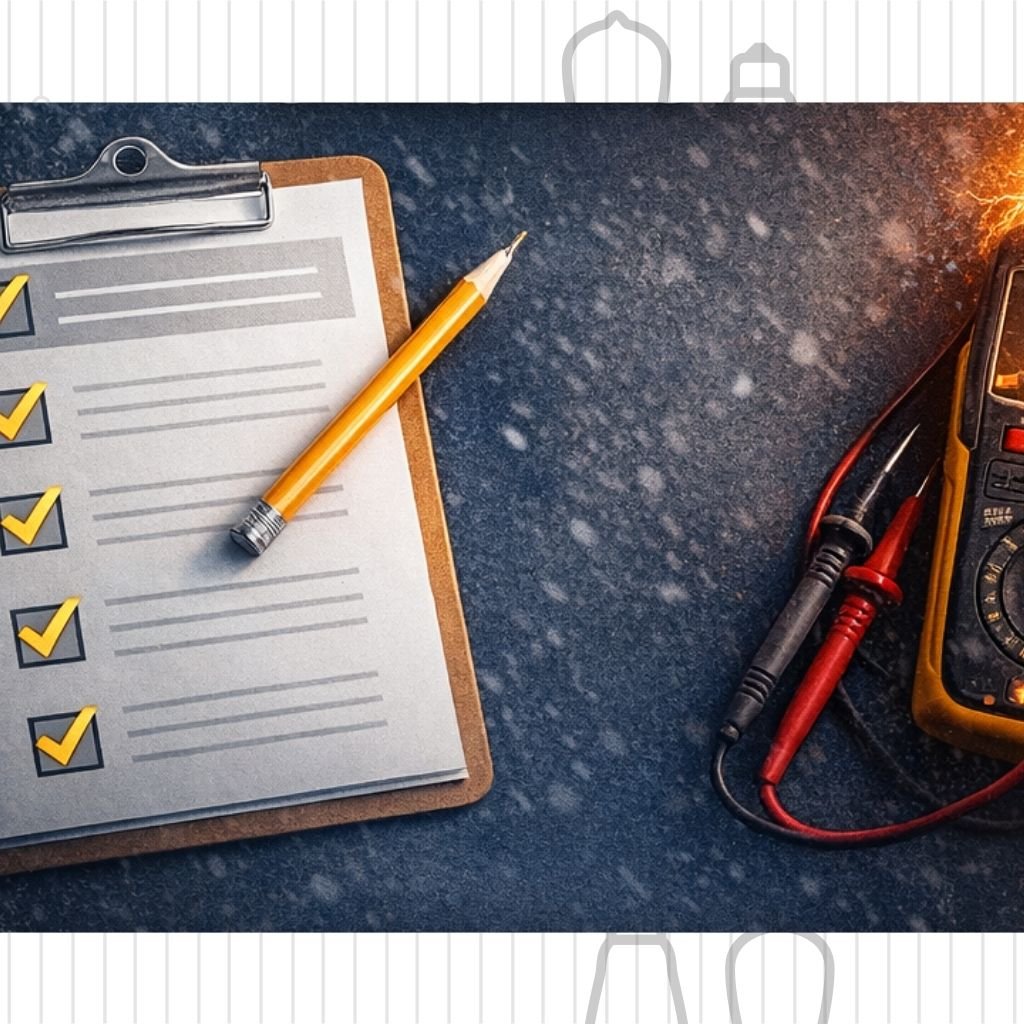
A proper commercial electrical maintenance program may include:
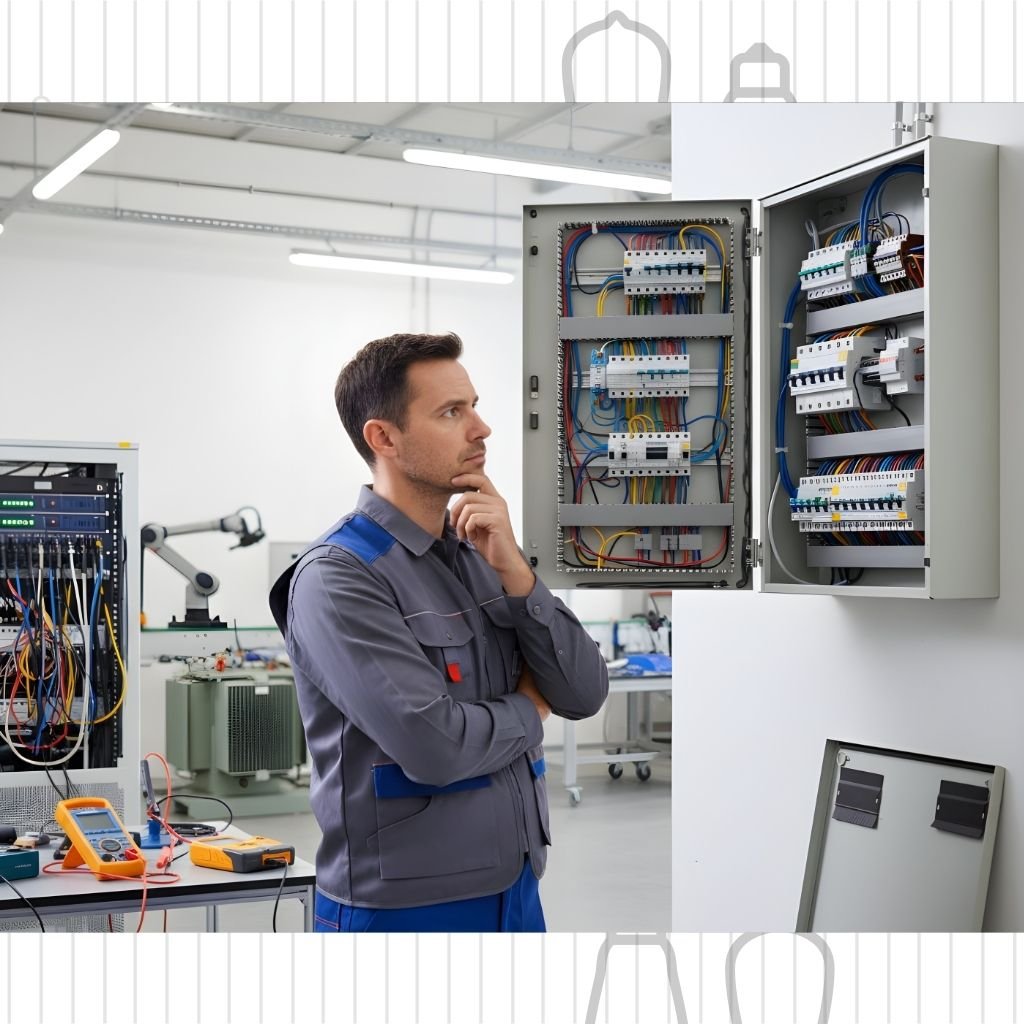
Electrical Panel Inspections
Panels are checked for:
- Loose connections
- Corrosion
- Overheating
- Improper loading
- Signs of wear or damage
Thermal Imaging
Thermal scans identify hot spots before they become failures.
This helps detect:
- Failing breakers
- Overloaded circuits
- Loose connections
- Equipment overheating
Load Testing and Power Monitoring
Understanding how power is being used helps prevent overload situations and future capacity problems.
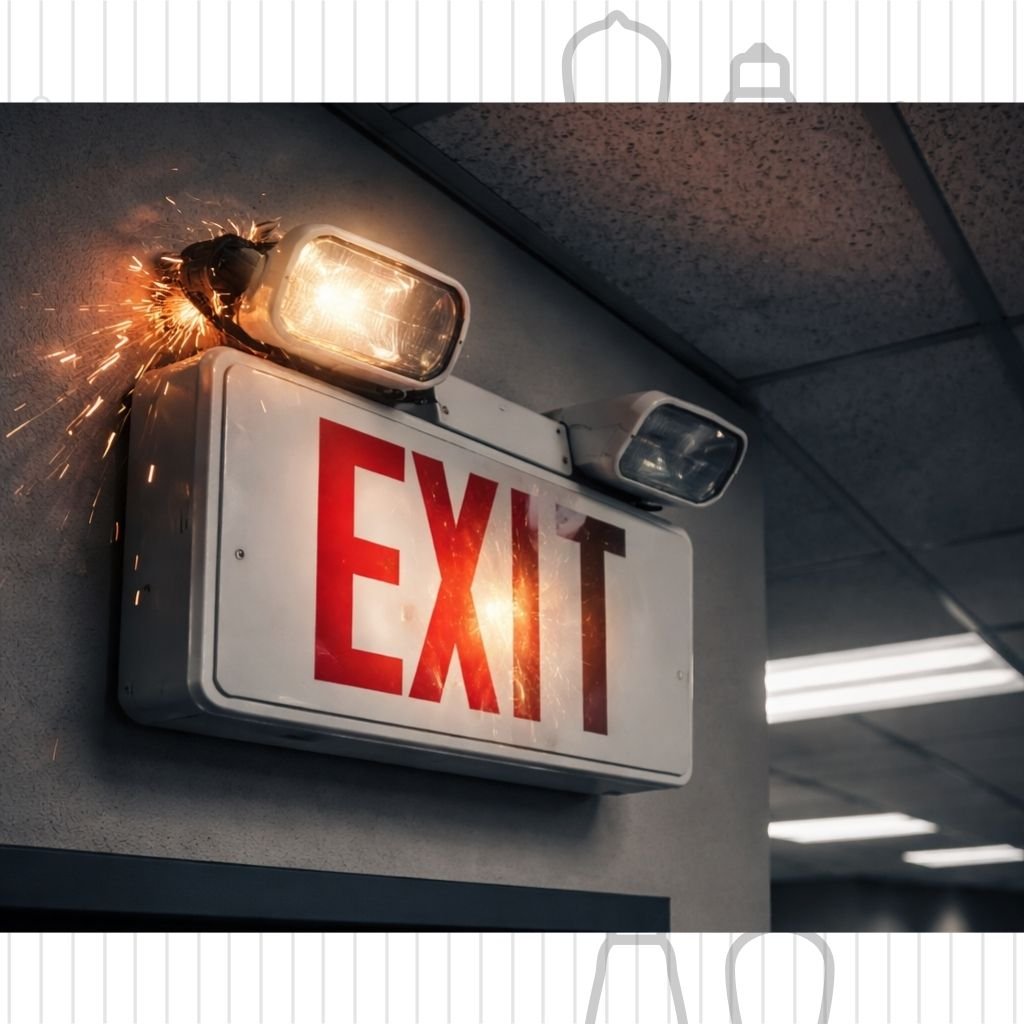
Emergency System Testing
This includes:
- Exit lighting
- Emergency lighting
- Backup systems
- Generator connections
General Safety and Compliance Reviews
Routine maintenance also helps ensure systems remain compliant with current electrical standards and safety expectations.
The goal isn’t just fixing problems. It’s preventing them.
Common Problems Preventive Maintenance Catches Early
Many serious failures begin as small, easy-to-miss issues.
Preventive maintenance often identifies:
- Loose electrical connections
- Circuit overloads
- Water or moisture intrusion
- Aging breakers
- Damaged wiring
- Equipment nearing failure
Without inspections, these problems continue to worsen quietly in the background.
What Decision-Makers Actually Care About
Most property managers and operations leaders are not looking for “the cheapest electrician.”
They’re looking for:
- Reliability
- Minimal disruption
- Predictable operating costs
- Fast issue resolution
- Reduced risk
Preventive maintenance supports all of these priorities.
A planned maintenance visit is far less disruptive than an unexpected shutdown.
The Biggest Mistake Businesses Make
The most common mistake?
Waiting until there’s a problem.
Many facilities operate under a “fix it when it breaks” mindset. Unfortunately, electrical systems rarely fail at convenient times.
Emergency repairs often happen:
- During peak operations
- Overnight
- In extreme weather
- Under urgent timelines
Reactive repairs are almost always more expensive.
Why This Matters in Manitoba
Manitoba facilities deal with unique challenges:
- Extreme temperature swings
- Heavy winter electrical loads
- Aging infrastructure in many buildings
- Tight construction and service timelines
Cold weather places additional strain on electrical systems, especially during peak heating and operational demand.
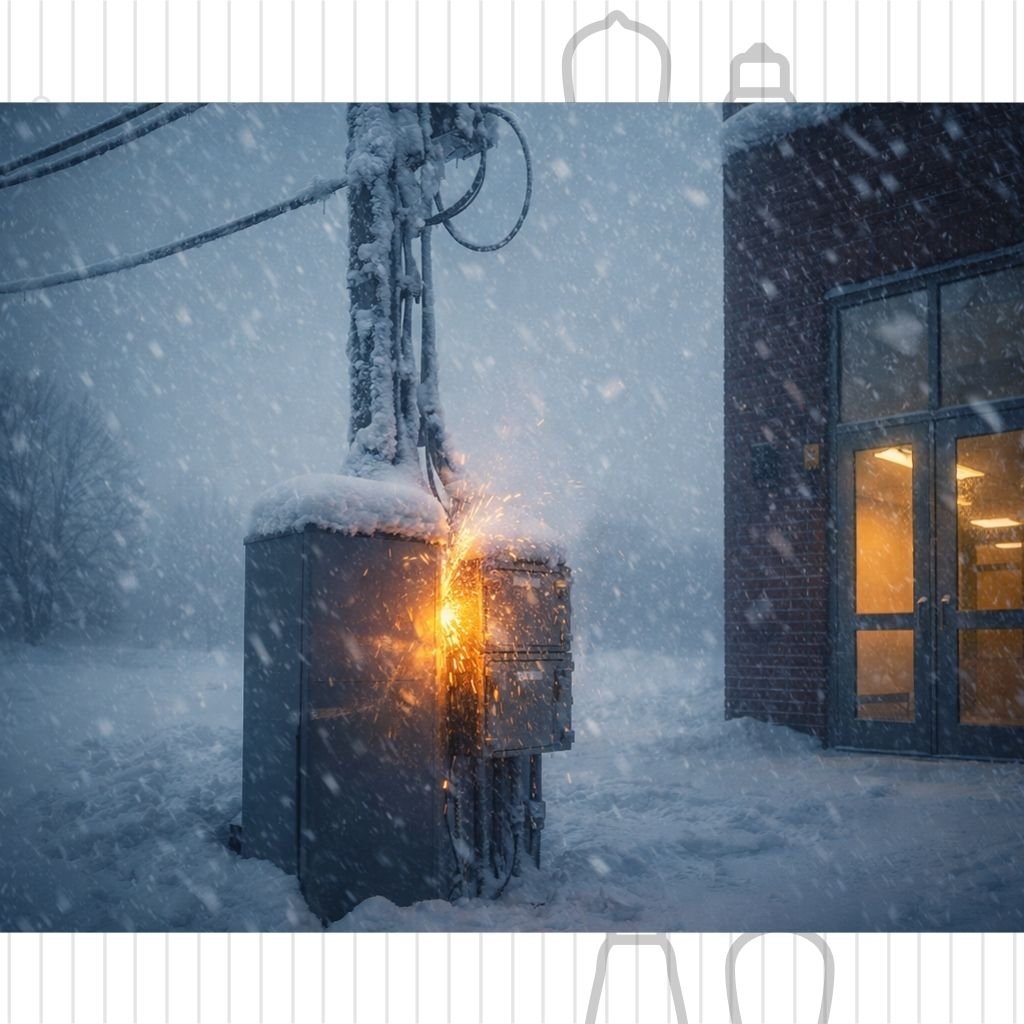
For Winnipeg commercial buildings and industrial facilities, preventive maintenance is often the difference between stable operations and costly winter outages.
Manitoba winters are hard on electrical systems. Preventive maintenance helps prepare for them.
Actionable Steps Businesses Can Take Right Now
1️⃣ Schedule Annual Electrical Inspections
At minimum, commercial facilities should have regular professional inspections completed yearly.
2️⃣ Prioritize Older Equipment
Older panels, breakers, and electrical infrastructure should be inspected more frequently.
3️⃣ Use Thermal Imaging
Thermal scans can identify issues long before visible failure occurs.
4️⃣ Track Repeated Electrical Issues
Flickering lights, nuisance breaker trips, and inconsistent equipment performance should never be ignored.
5️⃣ Review Emergency Systems Regularly
Emergency lighting and backup systems should be tested routinely.
6️⃣ Build Maintenance Into Operational Planning
Preventive maintenance works best when it becomes part of ongoing facility management — not just an emergency response.
How Preventive Maintenance Supports Long-Term Facility Performance
Reliable electrical systems support:
- Tenant satisfaction
- Operational stability
- Energy efficiency
- Safety compliance
- Reduced long-term repair costs
For commercial properties, that stability matters.
Electrical maintenance isn’t just about preventing outages. It’s about protecting the building as a whole.
A Smarter Approach to Facility Reliability
At Edison Electric, we work with commercial and industrial facilities across Manitoba to help reduce operational risk through proactive electrical maintenance.
The goal is simple:
Identify issues early, reduce downtime, and keep buildings operating safely and efficiently.
If your facility hasn’t had a recent electrical inspection or maintenance review, it may be worth taking a closer look before small problems become major disruptions.
Frequently Asked Questions
How often should commercial electrical systems be inspected?
Most commercial facilities should have professional electrical inspections completed annually, though higher-demand environments may require more frequent reviews.
What causes most commercial electrical failures?
Common causes include overloaded circuits, loose connections, aging equipment, moisture intrusion, and lack of maintenance.
Is preventive electrical maintenance worth the cost?
In most cases, yes. Preventive maintenance is typically far less expensive than emergency repairs, operational downtime, and equipment replacement.
Can electrical maintenance reduce energy costs?
Yes. Properly maintained systems often operate more efficiently and help identify unnecessary energy usage or overloaded equipment.
What buildings benefit most from preventive maintenance?
Office buildings, warehouses, industrial facilities, retail spaces, healthcare facilities, and multi-tenant commercial properties all benefit from routine electrical maintenance.
What are warning signs that a building needs electrical maintenance?
Common signs include:
- Flickering lights
- Warm panels
- Repeated breaker trips
- Burning smells
- Inconsistent equipment performance
- Aging electrical infrastructure