
Blogs
The Real Operational Impact of Industrial Control Systems

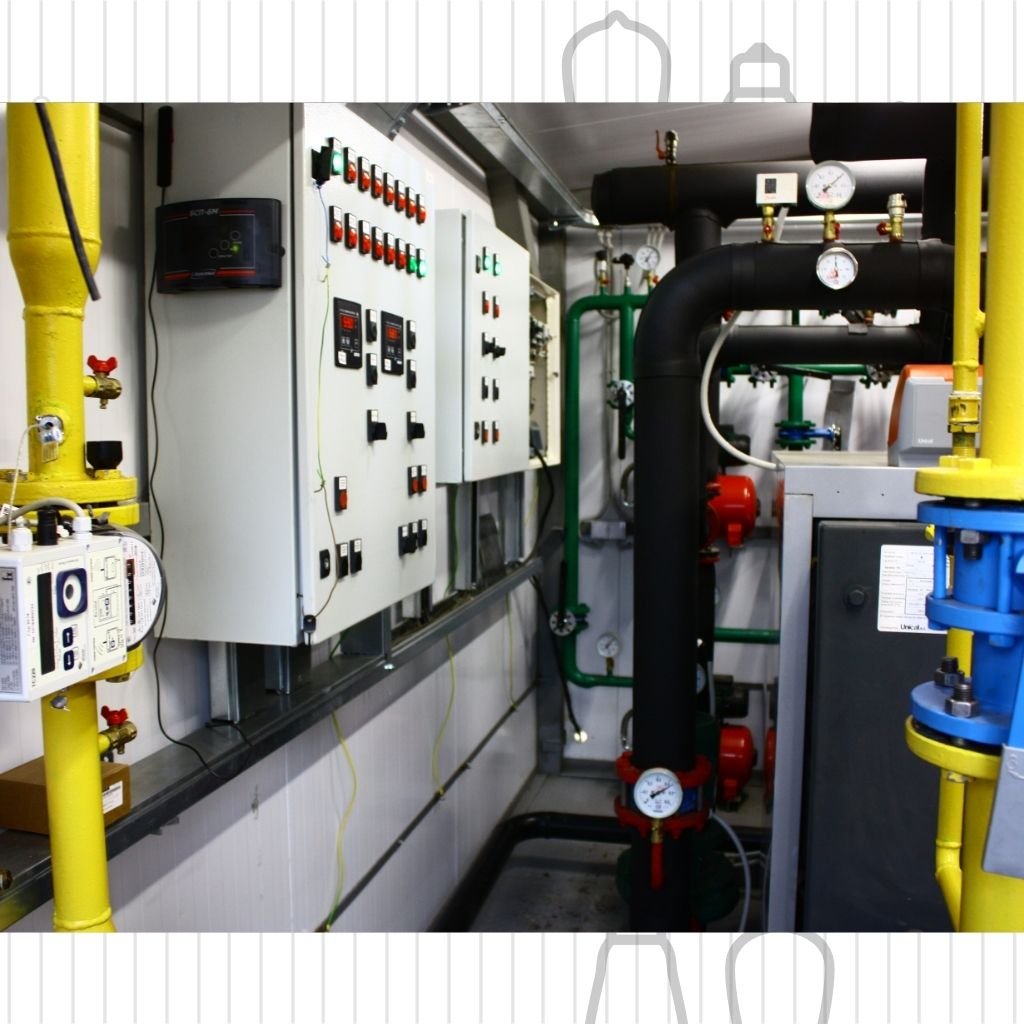
Every minute your facility operates below its potential capacity costs you. That is not a vague concern. It is a measurable gap between what your equipment can do and what your systems are currently allowing it to do. Understanding how industrial control systems improve efficiency is the starting point for closing that gap.
Modern industrial control systems have fundamentally changed what is possible in a facility setting, and the difference between running on outdated controls versus current technology is significant.
They Keep Processes Consistent and Precise
At the core of any industrial control system is the programmable logic controller, or PLC. These devices monitor critical process parameters, compare them against preset targets, and make continuous adjustments to keep operations running within defined ranges.
This closed-loop approach means that your processes are not dependent on manual oversight at every stage. The system detects deviations and corrects them automatically, reducing the variability that leads to quality problems, wasted materials, and unplanned downtime. How industrial control systems improve efficiency starts here: consistency that human oversight simply cannot maintain at the same speed or scale.
They Give You Far More Visibility Into Your Operations
Older control systems operated with limited sensor inputs and basic data output. Modern systems pull data from a much larger network of sensors tracking temperature, pressure, vibration, output volumes, and dozens of other parameters simultaneously.
That information is logged and available for analysis. Supervisory Control and Data Acquisition systems, known as SCADA, make this data visible in real time and across historical timelines. When your maintenance team can see that a motor’s vibration signature has been creeping upward over three months, they can schedule a repair before it becomes a breakdown. That kind of proactive maintenance is one of the clearest demonstrations of how industrial control systems improve efficiency in practice.
They Reduce Unplanned Downtime
Unplanned downtime is one of the most damaging things that can happen to an industrial operation. Production stops, schedules collapse, and emergency repairs are expensive. Modern control systems are designed with redundancy built in, meaning that if one controller fails, a backup can take over the process without halting operations.
Combined with the enhanced monitoring capabilities described above, this redundancy means your facility is far more protected against the cascading failures that older systems cannot prevent. The connection between how industrial control systems improve efficiency and reduce downtime is direct and well-documented across industrial environments.
They Help You Get More From Existing Infrastructure
One of the underappreciated aspects of control system upgrades is that you do not always need to replace your physical equipment to see significant performance gains. Upgrading the control and monitoring layer often allows existing machinery to operate more reliably and closer to its designed capacity, because the system can now manage it with greater precision.
This makes a control system upgrade one of the most cost-effective paths to improved throughput and reliability in a facility.
Automation Support From a Team That Understands Industrial Electrical Work
Edison Electric Services provides industrial control system installation, repair, and maintenance services for Winnipeg facilities. With over 25 years of commercial and industrial electrical experience, the licensed team has the expertise to design and implement automation solutions that deliver real operational results.
If you want to explore how industrial control systems improve efficiency in your specific facility, contact us today to discuss your project and schedule a consultation.